Disability Treatment in Switzerland: Complete Guide to Care, Costs, Insurance & Rehabilitation (2026)
By Gani Yamah
Last Updated: September 8, 2026
Introduction
Physical disabilities affect millions of people worldwide and can result from congenital conditions, injuries, illnesses, neurological disorders, accidents, or age-related health problems. Living with a physical disability can present challenges in mobility, independence, employment, education, and daily activities. However, modern healthcare, rehabilitation services, assistive technologies, and social support systems have significantly improved the quality of life for people with disabilities.
Switzerland is recognized for its high-quality healthcare system, advanced rehabilitation centers, accessible infrastructure, and comprehensive insurance coverage. Individuals with physical disabilities can access specialized medical care, physiotherapy, occupational therapy, mobility aids, rehabilitation programs, and social support services designed to promote independence and well-being.
This guide explains physical disability treatment in Switzerland, available healthcare services, rehabilitation programs, insurance coverage, costs, support systems, and recovery options for residents, expats, and visitors.
Understanding Physical Disabilities
A physical disability is a condition that limits a person's physical functioning, mobility, dexterity, or endurance. Disabilities may be temporary, long-term, or permanent.
Common causes include:
Spinal cord injuries
Cerebral palsy
Multiple sclerosis
Muscular dystrophy
Stroke
Amputation
Arthritis
Traumatic brain injury
Birth defects
Neurological disorders
Severe accidents
Degenerative diseases
Physical disabilities vary greatly in severity. Some individuals require minimal support, while others need ongoing assistance with mobility and daily activities.
Common Types of Physical Disabilities
Mobility Impairments
Mobility impairments affect walking, standing, climbing stairs, or moving independently.
Examples include:
Paralysis
Amputation
Muscular disorders
Severe arthritis
Spinal cord injuries
Neurological Disabilities
These conditions affect communication between the brain and muscles.
Examples include:
Multiple sclerosis
Parkinson's disease
Cerebral palsy
Stroke-related disabilities
Musculoskeletal Disabilities
These involve bones, joints, muscles, and connective tissues.
Examples include:
Osteoarthritis
Rheumatoid arthritis
Muscular dystrophy
Scoliosis
Limb Loss and Amputation
Loss of a limb may occur due to accidents, vascular disease, cancer, or infection.
Modern prosthetics can help restore mobility and independence.
Signs That Medical Evaluation Is Needed
Individuals should seek medical assessment if they experience:
Difficulty walking
Persistent muscle weakness
Loss of coordination
Frequent falls
Balance problems
Reduced mobility
Paralysis
Chronic pain
Joint stiffness
Difficulty performing daily tasks
Early intervention often leads to better outcomes.
Diagnosis of Physical Disabilities in Switzerland
Swiss healthcare providers use advanced diagnostic tools to identify the cause and severity of disability.
Medical History Review
Doctors assess:
Previous illnesses
Injury history
Family medical history
Symptoms
Functional limitations
Physical Examination
Specialists evaluate:
Strength
Balance
Coordination
Reflexes
Mobility
Range of motion
Imaging Tests
Common imaging methods include:
X-rays
MRI scans
CT scans
Ultrasound
Neurological Testing
These tests help identify nerve or brain disorders affecting mobility.
Functional Assessments
Therapists evaluate a person's ability to perform daily activities such as:
Walking
Dressing
Cooking
Bathing
Working
Physical Disability Treatment in Switzerland
Treatment plans depend on the underlying condition, severity, and patient goals.
Medical Treatment
Doctors may prescribe medications to manage:
Pain
Muscle spasms
Inflammation
Neurological symptoms
Chronic conditions
Examples include:
Pain relievers
Anti-inflammatory drugs
Muscle relaxants
Neurological medications
Physiotherapy
Physiotherapy is one of the most important treatments for physical disabilities.
Goals include:
Improving strength
Increasing mobility
Enhancing balance
Preventing complications
Reducing pain
Common techniques:
Stretching exercises
Strength training
Gait training
Hydrotherapy
Mobility exercises
Regular physiotherapy often improves independence and daily functioning.
Occupational Therapy
Occupational therapists help patients perform everyday tasks more effectively.
Areas addressed include:
Dressing
Bathing
Cooking
Workplace adaptation
Home modifications
Fine motor skills
The objective is to maximize independence and quality of life.
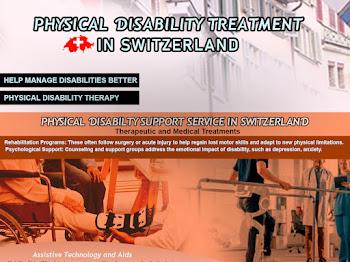
Rehabilitation Programs
Switzerland offers comprehensive rehabilitation services through specialized centers.
Programs may include:
Physical therapy
Occupational therapy
Psychological support
Social counseling
Vocational rehabilitation
Assistive technology training
Rehabilitation can be provided:
In hospitals
Outpatient clinics
Specialized rehabilitation facilities
Community centers
Surgical Treatment
Some physical disabilities benefit from surgery.
Examples include:
Orthopedic Surgery
Used to correct:
Joint deformities
Severe arthritis
Bone abnormalities
Spinal Surgery
May improve mobility and reduce pain in selected patients.
Amputation-Related Surgery
Includes procedures to improve prosthetic fitting and function.
Reconstructive Surgery
Can help restore movement and improve quality of life.
Prosthetics and Orthotics
Switzerland is a leader in advanced prosthetic technology.
Prosthetics
Artificial limbs help restore mobility after amputation.
Modern prosthetics may include:
Microprocessor-controlled knees
Robotic components
Advanced materials
Customized fittings
Orthotics
Orthotic devices provide support for:
Feet
Ankles
Knees
Back
Hands
These devices improve stability and mobility.
Mobility Aids
Many individuals benefit from assistive devices.
Examples include:
Wheelchairs
Electric wheelchairs
Walkers
Crutches
Canes
Mobility scooters
Healthcare professionals determine the most suitable option.
Assistive Technology
Technological innovations have transformed disability care.
Examples include:
Voice-controlled systems
Smart wheelchairs
Adaptive keyboards
Communication devices
Home automation systems
These tools help people live independently and safely.
Mental Health Support
Living with a disability can affect emotional well-being.
Common challenges include:
Depression
Anxiety
Social isolation
Reduced self-esteem
Swiss healthcare providers often recommend:
Counseling
Psychotherapy
Peer support groups
Family support programs
Mental health care is an important part of comprehensive treatment.
Disability Rehabilitation Centers in Switzerland
Switzerland has internationally respected rehabilitation facilities.
Services commonly include:
Neurological rehabilitation
Orthopedic rehabilitation
Spinal injury rehabilitation
Amputation rehabilitation
Chronic pain management
Patients often receive multidisciplinary care from teams of specialists.
Health Insurance Coverage in Switzerland
Switzerland's mandatory health insurance system provides access to many disability-related healthcare services.
Coverage may include:
Doctor visits
Hospital treatment
Physiotherapy
Rehabilitation services
Diagnostic testing
Prescription medications
Coverage depends on the treatment and insurance plan.
Additional Insurance Benefits
Some patients may qualify for support through:
Accident insurance
Disability insurance
Supplemental health insurance
Long-term care benefits
These programs may help cover rehabilitation costs and assistive devices.
Cost of Physical Disability Treatment in Switzerland
Costs vary based on treatment type and duration.
Typical expenses may include:
Service
Estimated Cost
Specialist Consultation
CHF 150–400
Physiotherapy Session
CHF 80–180
Occupational Therapy
CHF 90–200
MRI Scan
CHF 500–2,500
Hospital Stay Per Day
CHF 1,000–3,500
Rehabilitation Program
CHF 5,000–50,000+
Wheelchair
CHF 500–15,000+
Prosthetic Limb
CHF 5,000–100,000+
Actual costs vary depending on provider, canton, treatment complexity, and insurance coverage.
Workplace Support and Vocational Rehabilitation
Many individuals with disabilities continue successful careers.
Vocational rehabilitation may include:
Job retraining
Career counseling
Workplace adaptation
Skills development
Employment assistance
Swiss disability support programs encourage workforce participation whenever possible.
Accessibility in Switzerland
Switzerland has made significant investments in accessibility.
Many public spaces offer:
Wheelchair access
Elevators
Accessible transportation
Adapted public buildings
Barrier-free infrastructure
Accessibility improvements help individuals maintain independence.
Long-Term Disability Management
Managing a physical disability often requires ongoing care.
Important strategies include:
Regular medical follow-up
Exercise programs
Healthy nutrition
Medication management
Mental health support
Community engagement
A proactive approach can help reduce complications and improve overall well-being.
Tips for Living Well With a Physical Disability
Consider the following recommendations:
Follow rehabilitation plans consistently.
Attend scheduled medical appointments.
Stay physically active within your abilities.
Use assistive devices correctly.
Maintain social connections.
Seek emotional support when needed.
Learn about available benefits and services.
Focus on achievable personal goals.
Frequently Asked Questions
Can physical disabilities be cured?
Some disabilities can improve significantly with treatment, while others are lifelong conditions requiring ongoing management.
Does Swiss health insurance cover rehabilitation?
Many rehabilitation services are covered when medically necessary, subject to insurance rules and deductibles.
Are prosthetic limbs available in Switzerland?
Yes. Switzerland offers advanced prosthetic technologies and specialized fitting services.
Can people with disabilities work in Switzerland?
Many individuals with disabilities work successfully with appropriate accommodations and support.
Is physiotherapy important?
Yes. Physiotherapy is often a key component of improving mobility, strength, independence, and quality of life.
Conclusion
Physical disabilities can affect nearly every aspect of life, but modern medicine, rehabilitation, assistive technology, and social support have created more opportunities than ever before for independence and participation. Switzerland provides high-quality disability care through specialized medical services, rehabilitation centers, physiotherapy programs, assistive devices, and insurance-supported healthcare.
With proper treatment, rehabilitation, and support, many people with physical disabilities can achieve improved mobility, greater independence, and a higher quality of life. Early intervention, personalized care plans, and ongoing support remain essential components of successful long-term disability management.
Disclaimer
This article is for informational and educational purposes only and should not be considered medical advice. Healthcare policies, insurance benefits, and treatment options may change over time. Always consult a qualified healthcare professional, rehabilitation specialist, or insurance provider regarding your specific medical condition and treatment needs.
About the Author
Gani Yamah is a health and insurance content writer who creates educational guides about healthcare systems, medical treatments, rehabilitation services, and insurance coverage in Switzerland. His goal is to help readers understand complex healthcare topics through clear, practical, and research-ba

Leave a comment
Your email address will not be published. Required fields are marked *