Cholera Treatment in Switzerland: Complete Guide to Symptoms, Costs, Insurance and Recovery (2026)
By Gani Yamah
Last Updated: September 14, 2026
Introduction
Cholera is a serious bacterial infection that can cause severe diarrhea and dehydration within a short period. Although cholera is uncommon in Switzerland due to excellent sanitation systems and safe drinking water, travelers, migrants, and international visitors can still encounter the disease after visiting regions where cholera outbreaks occur.
Rapid diagnosis and treatment are essential because untreated cholera can lead to life-threatening dehydration. Switzerland has a highly developed healthcare system capable of providing fast emergency treatment, advanced laboratory testing, and supportive care for patients affected by cholera.
This guide explains cholera symptoms, causes, diagnosis, treatment options, healthcare costs, insurance coverage, prevention strategies, and recovery expectations in Switzerland.
What Is Cholera?
Cholera is an infectious disease caused by the bacterium Vibrio cholerae. People usually become infected by consuming contaminated water or food.
Once inside the body, the bacteria release toxins that cause the intestines to produce large amounts of fluid, leading to severe watery diarrhea.
Without treatment, a patient can lose dangerous amounts of water and electrolytes in just a few hours.
How Cholera Spreads
Cholera spreads primarily through:
Contaminated drinking water
Poor sanitation systems
Contaminated seafood
Raw or undercooked foods
Food prepared with contaminated water
Poor hand hygiene
The disease does not usually spread through casual contact with infected individuals.
Understanding Dehydration in Cholera
The most dangerous aspect of cholera is not the infection itself but the rapid loss of fluids and electrolytes from the body. A person with severe cholera can lose several liters of fluid in a single day. This fluid loss can quickly affect the heart, kidneys, brain, and other organs.
Healthcare professionals in Switzerland pay close attention to signs of dehydration, including:
Dry mouth and tongue
Reduced urine output
Extreme thirst
Sunken eyes
Rapid pulse
Low blood pressure
Fatigue and weakness
Confusion in severe cases
Children, older adults, and individuals with chronic health conditions are especially vulnerable to complications from dehydration.
Cholera in Children
Children can develop severe dehydration faster than adults. Early recognition and treatment are essenti.
Parents should seek immediate medical care if a child experiences:
Frequent watery diarrhea
Persistent vomiting
Refusal to drink fluids
Excessive sleepiness
Dry lips and mouth
Reduced urination
Fever combined with diarrhea
Swiss pediatric hospitals are equipped to provide specialized care, including rehydration therapy and continuous monitoring.
Cholera During Pregnancy
Pregnant women who develop cholera require prompt medical attention because severe dehyd
ration may affect both the mother and unborn baby.
Potential concerns include:
Reduced blood flow to the placenta
Premature labor
Maternal complications from dehydration
Electrolyte imbalances
Swiss obstetric specialists often work alongside infectious disease teams to ensure comprehensive treatment and monitoring throughout recovery.
Public Health Measures in Switzerland
Switzerland maintains strict public health standards that help prevent waterborne diseases such as cholera.
Protective measures include:
High-quality drinking water systems
Wastewater treatment facilities
Food safety inspections
Disease surveillance programs
Rapid outbreak reporting
Travel health recommendations
These measures contribute to the country's very low incidence of cholera.
Travel-Related Cholera CasesMost cholera cases seen in Switzerland are associated with international travel. Travelers returning from regions experiencing outbreaks may develop symptoms days after arriving home.
Travelers should inform healthcare providers about:
Countries visited
Recent food and water exposure
Contact with sick individuals
Vaccination history
Providing this information helps doctors make an accurate diagnosis more quickly.
Cholera Vaccination
Vaccines are available in some countries for people traveling to areas with active cholera transmission.
A cholera vaccine may be recommended for:
Humanitarian workers
Healthcare professionals
Long-term travelers
Individuals visiting outbreak regions
Vaccination reduces risk but does not replace proper food safety and hygiene practices.
Nutrition During Recovery
Proper nutrition is important after cholera treatment. The body requires energy and nutrients to recover from fluid loss and illness.
Recommended foods may include:
Rice
Potatoes
Bananas
Soup
Toast
Cooked vegetables
Lean proteins
Patients should continue drinking adequate fluids even after diarrhea improves.
Foods that may temporarily .
Very spicy meals
Excessively fatty foods
Large amounts of caffeine
Alcoholic beverages
Long-Term Outlook
Most patients who receive prompt treatment recover fully without permanent health problems.
The prognosis is generally excellent when:
Rehydration begins early
Medical care is available
Electrolyte imbalances are corrected
Nutritional support is maintained
Recovery time varies depending on age, general health, and illness severity.
Cholera and International Students in Switzerland
International students represent an important part of Switzerland's population. Students arriving from countries where cholera outbreaks occasionally occur should understand the symptoms and know where to seek medical care.
Students should:
Register for health insurance promptly
Learn local emergency numbers
Maintain good hygiene practices
Seek medical care if symptoms develop
Swiss universities often provide healthcare information and support services for international students.
History of Cholera
Cholera has affected human populations for centuries and is one of the most studied infectious diseases in medical history. Major cholera pandemics occurred during the nineteenth and twentieth centuries, spreading across continents through trade routes and population movement.
The discovery that contaminated water played a central role in transmission revolutionized public health. Improvements in sanitation, sewage treatment, and access to safe drinking water dramatically reduced cholera cases in many developed countries, including Switzerland.
Today, cholera remains a public health concern in parts of the world where access to clean water and sanitation is limited.
Why Switzerland Has a Low Cholera Risk
Switzerland is considered one of the safest countries in the world regarding waterborne diseases.
Several factors contribute to this:
High-quality drinking water systems
Strict food safety regulations
Modern wastewater treatment facilities
Effective disease surveillance
Strong public health infrastructure
Rapid access to healthcare services
As a result, locally acquired cholera cases are extremely rare.
How Doctors Assess Cholera Severity
Not every cholera infection requires the same level of treatment. Swiss healthcare professionals classify patients according to the severity of dehydration.
Mild Dehydration
Patients may experience:
Thirst
Slight weakness
Mild diarrhea
Treatment usually involves oral rehydration and monitoring.
Moderate Dehydration
Patients may experience:
Dry mouth
Reduced urination
Faster heart rate
Increased weakness
Additional medical supervision may be required.
Severe Dehydration
Patients may experience:
Very low blood pressure
Rapid pulse
Confusion
Shock
Collapse
Emergency treatment and hospitalization are often necessary.
Cholera and the Immune System
The body's immune system plays an important role in fighting infection. While the cholera bacteria primarily affect the intestines, the body responds by activating various defense mechanisms.
People with weakened immune systems may face greater challenges during recovery. This includes:
Older adults
Patients receiving cancer treatment
Organ transplant recipients
Individuals with chronic illnesses
These groups should seek medical attention promptly if symptoms occur.
Psychological Impact of Severe Illness
Although cholera mainly affects physical health, severe illness can also have emotional effects.
Some patients report:
Anxiety
Stress
Fear of dehydration
Concerns about hospitalization
Worry about travel plans
Family support, clear communication with healthcare providers, and understanding the recovery process can help reduce these concerns.
Protecting Families From Cholera
Families can reduce their risk by following practical health measures.
Important habits include:
Frequent hand washing
Safe food preparation
Drinking clean water
Proper storage of cooked foods
Maintaining kitchen hygiene
Following travel health advice
Parents should also teach children the importance of hand hygiene and safe eating habits.
Cholera and Global Health
Despite major medical advances, cholera continues to affect millions of people worldwide.
Public health organizations focus on:
Improving sanitation
Expanding access to clean water
Increasing vaccination availability
Strengthening healthcare systems
Enhancing outbreak monitoring
Global cooperation remains essential for reducing the burden of cholera in vulnerable communities.
Research and Future Treatments
Scientists continue to study cholera to improve prevention and treatment strategies.
Current research areas include:
More effective vaccines
Faster diagnostic tests
Improved rehydration therapies
Better outbreak prediction systems
Enhanced public health interventions
Advances in these areas may further reduce illness and death from cholera in the future.
Cholera Myths and Facts
Myth: Cholera always causes death.
Fact: Most patients survive and recover completely when they receive prompt treatment and rehydration.
Myth: Cholera spreads through casual contact.
Fact: Cholera is usually transmitted through contaminated food or water rather than ordinary social contact.
Myth: Healthy people cannot get cholera.
Fact: Anyone exposed to contaminated food or water can become infected.
Myth: Drinking plenty of water alone cures cholera.
Fact: Medical evaluation is important because patients may need electrolytes, medications, or intravenous fluids.
Advice for Visitors to Switzerland
Visitors who develop severe diarrhea after international travel should not ignore their symptoms.
Recommended actions include:
Drink safe fluids immediately.
Seek medical evaluation.
Inform healthcare providers about recent travel.
Follow treatment instructions carefully.
Complete prescribed medications when appropriate.
Cholera and Expats Living in Switzerland
Expats relocating to Switzerland may be unfamiliar with the Swiss healthcare system. Understanding how to access care can help reduce delays in treatment.
Important steps include:
Obtaining mandatory health insurance
Registering with a local doctor
Learning emergency procedures
Keeping insurance documents accessible
Fast access to healthcare significantly improves outcomes for serious infectious diseases.
The Economic Impact of Cholera WorldwideAlthough cholera is rare in Switzerland, it remains a significant global health challenge. Outbreaks can affect communities by:
Increasing healthcare costs
Reducing productivity
Disrupting education
Straining healthcare systems
Affecting tourism
Global efforts to improve sanitation and access to clean water continue to play a critical role in reducing cholera cases worldwide.
Expert Insight
Medical experts consistently emphasize that dehydration is the primary emergency associated with cholera. Early rehydration can prevent most severe complications and dramatically improve survival rates.
Modern healthcare systems such as Switzerland's are well equipped to manage cholera through rapid diagnosis, effective fluid replacement, and comprehensive supportive care.
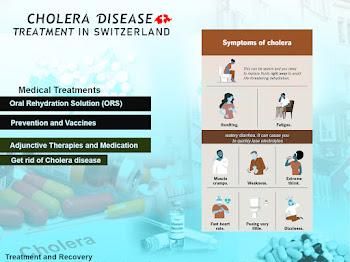
Cholera Symptoms
Symptoms may appear within a few hours or up to five days after exposure.
Common symptoms include:
Mild Symptoms
Mild diarrhea
Nausea
Stomach discomfort
Vomiting
Severe Symptoms
Profuse watery diarrhea
Severe dehydration
Muscle cramps
Dry mouth
Rapid heartbeat
Sunken eyes
Low blood pressure
Extreme thirst
Fatigue
Shock
The classic symptom is often described as "rice-water stool," a watery diarrhea containing mucus particles.
When to Seek Emergency Care
Seek immediate medical attention in Switzerland if you experience:
Continuous vomiting
Severe diarrhea
Signs of dehydration
Dizziness
Fainting
Rapid heartbeat
Inability to drink fluids
For emergencies in Switzerland, call 144 for ambulance services.
Cholera Diagnosis in Switzerland
Swiss hospitals and clinics use several diagnostic methods.
Medical Assessment
Doctors evaluate:
Travel history
Recent food exposure
Symptoms
Hydration status
Laboratory Testing
Tests may include:
Stool culture
Rapid diagnostic tests
Blood tests
Electrolyte testing
These tests help confirm infection and determine the severity of dehydration.
Cholera Treatment in Switzerland
1. Oral Rehydration Therapy
The most important treatment is replacing lost fluids.
Patients with mild to moderate cholera often receive:
Oral rehydration solution (ORS)
Electrolyte replacement
Monitoring for dehydration
Many patients improve rapidly after proper rehydration.
2. Intravenous (IV) Fluids
Patients with severe dehydration may require hospitalization.
Doctors may administer:
Intravenous saline
Electrolyte replacement
Continuous monitoring
IV treatment can save lives when severe fluid loss occurs.
3. Antibiotic Treatment
Doctors may prescribe antibiotics to shorten illness duration and reduce bacterial shedding.
Examples may include:
Azithromycin
Doxycycline
Ciprofloxacin
Treatment depends on local resistance patterns and medical assessment.
4. Zinc Supplementation
Children with cholera may receive zinc supplements.
Benefits include:
Reduced diarrhea duration
Improved recovery
Lower risk of complications
5. Nutritional Support
During recovery, healthcare providers encourage:
Adequate hydration
Balanced meals
Gradual return to normal eating
Good nutrition helps restore strength and support recovery.
Hospital Treatment in Switzerland
Severe cholera cases may require admission to Swiss hospitals.
Hospital care may include:
Emergency assessment
IV fluid therapy
Laboratory monitoring
Infection control measures
Nutritional support
Most patients improve significantly once dehydration is corrected.
Cholera Treatment Costs in Switzerland
Healthcare costs vary by region, hospital, and treatment needs.
Service
Estimated Cost (CHF)
GP Consultation
CHF 100–250
Emergency Room Visit
CHF 300–1,000
Stool Testing
CHF 100–300
IV Fluid Treatment
CHF 300–1,500
Hospital Stay Per Day
CHF 1,000–3,500
Specialist Consultation
CHF 200–500
Actual costs may differ depending on medical circumstances.
Health Insurance Coverage
Swiss Mandatory Health Insurance
Basic Swiss health insurance generally covers:
Medical consultations
Hospital treatment
Diagnostic testing
Prescription medications
Emergency services
Patients remain responsible for deductibles and cost-sharing requirements.
Travel Insurance
Visitors to Switzerland should consider travel health insurance.
Travel insurance may help cover:
Emergency medical treatment
Hospitalization
Medical evacuation
Unexpected healthcare expenses
Coverage depends on policy terms and conditions.
Recovery After Cholera
Many patients recover completely when treated promptly.
Recovery often includes:
First Few Days
Fluid replacement
Symptom stabilization
Rest
First Week
Improved hydration
Reduced diarrhea
Increased energy
Long-Term Recovery
Return to normal activities
Continued hydration
Balanced nutrition
Most people recover without long-term complications.
Possible Complications
Without treatment, cholera can lead to:
Severe dehydration
Kidney failure
Electrolyte imbalance
Shock
Death
Prompt medical treatment dramatically reduces these risks.
Preventing Cholera
Prevention remains the best protection.
Safe Drinking Water
Always drink:
Treated water
Bottled water when necessary
Properly filtered water
Hand Washing
Wash hands thoroughly:
Before eating
After using the toilet
Before food preparation
Food Safety
Choose:
Fully cooked foods
Properly washed fruits
Safe drinking sources
Avoid:
Raw seafood
Contaminated water
Food from unsafe sources
Travelers and Cholera Risk
Travelers visiting areas with active outbreaks should:
Follow food safety guidelines
Drink safe water
Practice hand hygiene
Consider vaccination if recommended
Travel medicine clinics can provide individualized advice before departure.
Living in Switzerland After Cholera Recovery
Most individuals return to normal life after successful treatment.
Maintaining:
Good hygiene
Healthy nutrition
Safe drinking practices
can help prevent future infections.
Frequently Asked Questions
Is cholera common in Switzerland?
No. Switzerland has modern sanitation systems and very low cholera risk.
Can cholera be cured?
Yes. Most patients recover completely with prompt treatment and rehydration.
Is hospitalization always necessary?
No. Mild cases may be treated with oral rehydration, while severe cases may require hospitalization.
Does Swiss insurance cover cholera treatment?
In most cases, mandatory health insurance covers medically necessary treatment.
Can travelers receive treatment in Switzerland?
Yes. Visitors can access emergency and hospital care, although costs depend on insurance coverage.
Key Takeaways
Cholera is a serious bacterial infection that causes severe diarrhea and dehydration.
Early treatment dramatically improves outcomes.
Rehydration therapy is the cornerstone of treatment.
Swiss hospitals provide advanced diagnosis and care.
Health insurance often covers medically necessary treatment.
Prevention through safe water, hygiene, and food safety remains essential.
Medical Disclaimer
This article is for informational and educational purposes only and should not replace professional medical advice, diagnosis, or treatment. Always consult a qualified healthcare professional regarding any medical condition or emergency.
Sources
World Health Organization (WHO)
Swiss Federal Office of Public Health (FOPH)
Centers for Disease Control and Prevention (CDC)
Mayo Clinic
European Centre for Disease Prevention and Control (ECDC)

Leave a comment
Your email address will not be published. Required fields are marked *