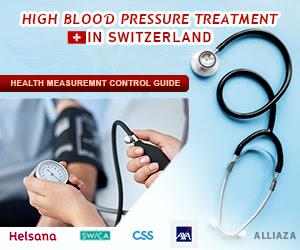
High Blood Pressure Treatment in Switzerland: Complete Guide to Costs, Insurance, Medication & Recovery (2026)
By Gani Yamah
Last Updated: September 4, 2026
Estimated Reading Time: 10 Minutes
Introduction
High blood pressure, also known as hypertension, is one of the most common chronic health conditions affecting adults in Switzerland and around the world. The condition can develop gradually, and many people may have elevated blood pressure for years without noticing any obvious symptoms.
Although hypertension may not cause pain or visible warning signs in its early stages, persistently high blood pressure can place continuous stress on the arteries and vital organs. Over time, uncontrolled hypertension can increase the risk of heart disease, stroke, kidney disease, vision problems, and other serious complications.
Switzerland has a well-developed healthcare system with access to general practitioners, specialists, hospitals, diagnostic services, pharmacies, and preventive healthcare. This makes it possible for people with hypertension to receive regular monitoring and long-term treatment.
Treatment may include lifestyle changes, prescription medication, regular blood pressure monitoring, specialist care, and treatment of underlying conditions.
This comprehensive guide explains high blood pressure treatment in Switzerland, including symptoms, causes, diagnosis, medication, healthcare costs, Swiss health insurance coverage, lifestyle changes, emergency warning signs, recovery, and long-term management.
What Is High Blood Pressure?
Blood pressure is the force created by circulating blood against the walls of the body's arteries.
A blood pressure reading contains two numbers:
Systolic pressure: the upper number, representing pressure when the heart contracts.
Diastolic pressure: the lower number, representing pressure when the heart relaxes between beats.
For example:
120/80 mmHg
Blood pressure naturally changes throughout the day depending on activity, stress, sleep, caffeine intake, illness, and other factors.
A diagnosis of hypertension generally requires repeated elevated measurements, rather than relying on one isolated reading. Doctors consider the measurement method, clinical circumstances, and the patient's overall cardiovascular risk.
If you repeatedly obtain high readings, a healthcare professional can determine whether further testing or treatment is necessary.
How Common Is High Blood Pressure in Switzerland?
Hypertension is an important public health issue in Switzerland.
Swiss health statistics indicate that approximately one in five adults reports having high blood pressure, while the likelihood of hypertension increases substantially with age.
International estimates also show that hypertension affects a significant proportion of adults in Switzerland. The exact percentage varies depending on the age group, diagnostic definition, and whether measurements or self-reported information are used.
The condition is particularly important among older adults because the arteries become less flexible with age and other cardiovascular risk factors may accumulate.
Because hypertension can exist without symptoms, regular blood pressure checks are an important part of preventive healthcare.
Why Is High Blood Pressure Dangerous?
A common question is:
“If I feel healthy, why do I need treatment?”
The answer is that hypertension can damage the body gradually without producing obvious symptoms.
Persistently elevated blood pressure can increase the workload of the heart and contribute to damage to the walls of blood vessels.
Untreated or poorly controlled hypertension can increase the risk of:
Heart attack
Stroke
Heart failure
Chronic kidney disease
Peripheral artery disease
Vision problems
Cognitive decline
Vascular dementia
Premature cardiovascular death
The higher the blood pressure and the longer it remains uncontrolled, the greater the potential risk.
However, effective treatment can substantially reduce cardiovascular risk.
Symptoms of High Blood Pressure
Hypertension is often called a "silent" condition because many people do not experience noticeable symptoms.
When symptoms occur, they are not necessarily specific to hypertension.
Possible symptoms can include:
Headaches
Dizziness
Fatigue
Blurred vision
Shortness of breath
Palpitations
Nosebleeds
It is important not to assume that these symptoms automatically mean someone has hypertension. The only reliable way to determine blood pressure is to measure it.
Severe Warning Signs
Very high blood pressure accompanied by symptoms such as:
Severe chest pain
Severe shortness of breath
Sudden weakness or numbness
Difficulty speaking
Sudden vision changes
Severe headache
Confusion
Loss of consciousness
may indicate a medical emergency.
In Switzerland, 144 is the emergency medical telephone number. Anyone experiencing potentially life-threatening symptoms should seek emergency medical assistance rather than waiting for a routine appointment.
Causes of High Blood Pressure
Hypertension usually develops from a combination of genetic, environmental, lifestyle, and medical factors.
Primary Hypertension
Most adult hypertension is classified as primary or essential hypertension.
This means there is not one single identifiable disease causing the elevated blood pressure.
Risk factors can include:
Increasing age
Family history
Excess body weight
High dietary sodium intake
Physical inactivity
Smoking
Excessive alcohol consumption
Poor sleep
Chronic stress
Secondary Hypertension
Sometimes another medical condition or medication causes high blood pressure.
Potential causes include:
Kidney disease
Sleep apnea
Thyroid disorders
Certain hormonal conditions
Some medications
Certain kidney artery conditions
When hypertension develops suddenly, is unusually severe, or is difficult to control, doctors may investigate whether a secondary cause is present.
Diagnosing High Blood Pressure in Switzerland
A Swiss doctor may use several methods to determine whether a patient has hypertension.
Medical History
The doctor may ask about:
Previous blood pressure readings
Family history
Current medications
Smoking
Alcohol consumption
Physical activity
Diet
Sleep
Existing medical conditions
Previous cardiovascular problems
This information helps determine the patient's overall cardiovascular risk.
Blood Pressure Measurements
Blood pressure may be measured during a consultation.
Because blood pressure can temporarily increase because of anxiety, pain, caffeine, physical activity, or other factors, doctors may repeat measurements before making a diagnosis.
Home Blood Pressure Monitoring
Some patients are asked to measure their blood pressure at home.
Home monitoring can provide useful information about blood pressure during normal daily activities.
Patients should follow their healthcare professional's instructions regarding:
When to measure
How frequently to measure
How to sit correctly
Which readings to record
24-Hour Ambulatory Monitoring
A doctor may recommend 24-hour ambulatory blood pressure monitoring.
A portable device automatically measures blood pressure at regular intervals during the day and night.
This can help identify patterns that may not appear during a short clinic visit.
It can also help doctors evaluate whether blood pressure remains elevated during sleep.
Medical Tests for Hypertension
A doctor may order additional tests depending on the patient's age, blood pressure level, symptoms, medical history, and cardiovascular risk.
Possible investigations include:
Blood Tests
These may evaluate:
Kidney function
Blood glucose
Cholesterol
Electrolytes
Other relevant health indicators
Urine Testing
Urine tests can help identify signs of kidney problems.
Electrocardiogram
An ECG records the electrical activity of the heart and can provide information about heart rhythm and possible effects of long-standing hypertension.
Echocardiogram
An echocardiogram uses ultrasound to examine the heart.
It may help assess:
Heart structure
Heart muscle thickness
Pumping function
Heart valves
Not every patient with hypertension requires every test. The doctor determines which investigations are appropriate.
High Blood Pressure Treatment in Switzerland
Treatment depends on several factors, including:
Blood pressure level
Age
Existing medical conditions
Kidney function
Diabetes
Cholesterol
Cardiovascular risk
Previous cardiovascular disease
For some people, lifestyle changes may be an important first step. Others need medication immediately or eventually require a combination of treatments.
The goal is not simply to lower a number on a blood pressure monitor. Treatment aims to reduce the long-term risk of cardiovascular and organ complications.
Lifestyle Changes That Can Lower Blood Pressure
Lifestyle changes are an important part of hypertension management, whether or not medication is prescribed.
Healthy Diet
A heart-healthy diet should emphasize foods such as:
Vegetables
Fruits
Whole grains
Beans and legumes
Fish
Nuts
Seeds
Lean sources of protein
Patients may be advised to reduce:
Highly processed foods
Foods high in salt
Excess added sugar
Excess saturated fat
Sugary drinks
Reducing sodium intake can help lower blood pressure in many people.
Maintaining a Healthy Weight
Excess body weight can increase blood pressure and cardiovascular risk.
For people who are overweight, even a moderate reduction in body weight can improve blood pressure and other metabolic risk factors.
Weight loss should be gradual and sustainable rather than based on extreme diets.
Regular Physical Activity
Regular physical activity can benefit blood pressure, cardiovascular fitness, weight control, and general health.
Suitable activities may include:
Walking
Cycling
Swimming
Hiking
Jogging
Dancing
Strength exercises
Many adults are advised to aim for around 150 minutes of moderate-intensity physical activity per week, although individual recommendations may differ.
People with existing heart or other medical conditions should discuss appropriate exercise levels with a healthcare professional.
Stress, Sleep and Blood Pressure
Stress can temporarily raise blood pressure and may make healthy lifestyle habits more difficult to maintain.
Helpful approaches can include:
Regular physical activity
Relaxation exercises
Mindfulness
Breathing exercises
Maintaining social connections
Establishing a regular sleep routine
Poor sleep can also contribute to cardiovascular risk.
Conditions such as obstructive sleep apnea are particularly important because they may be associated with difficult-to-control hypertension.
Smoking and Alcohol
Smoking
Smoking damages blood vessels and significantly increases cardiovascular risk.
Stopping smoking is one of the most important steps a smoker can take to improve cardiovascular health.
Healthcare professionals in Switzerland can provide advice, behavioral support, and appropriate treatments for people trying to quit.
Alcohol
Excessive alcohol consumption can contribute to elevated blood pressure.
Reducing alcohol intake can therefore be an important part of hypertension management.
Medications Used to Treat High Blood Pressure
When lifestyle measures are insufficient or cardiovascular risk is high, doctors may prescribe medication.
The choice depends on the individual patient's circumstances.
ACE Inhibitors
Examples include:
Ramipril
Enalapril
Lisinopril
ACE inhibitors reduce the activity of a hormonal system involved in blood pressure regulation and can help relax blood vessels.
Some patients develop a persistent dry cough while taking an ACE inhibitor. Doctors may consider another medication if significant side effects occur.
Angiotensin Receptor Blockers
Examples include:
Losartan
Valsartan
Candesartan
ARBs work through a related pathway and are commonly used for hypertension.
They may be prescribed when an ACE inhibitor is not tolerated.
Calcium Channel Blockers
Examples include:
Amlodipine
Felodipine
These medications help relax blood vessels and reduce blood pressure.
Some people experience side effects such as ankle swelling.
Diuretics
Diuretics are sometimes called water tablets.
Examples include:
Hydrochlorothiazide
Indapamide
They help the body remove sodium and water and can reduce blood pressure.
Beta-Blockers
Examples include:
Bisoprolol
Metoprolol
Beta-blockers reduce the heart rate and workload.
They may be especially useful when hypertension occurs alongside certain heart conditions, although they are not always the first medication chosen for uncomplicated hypertension.
Combination Treatment
Some patients need more than one medication to reach their blood pressure target.
A doctor may prescribe combinations such as:
An ACE inhibitor plus a diuretic
An ARB plus a calcium channel blocker
A calcium channel blocker plus another medication
Using medications with different mechanisms can sometimes achieve better blood pressure control than increasing one medication alone.
Patients should take medication exactly as prescribed and should not stop treatment suddenly without medical advice.
Resistant Hypertension
Some patients continue to have elevated blood pressure despite taking several appropriate medications.
This may be referred to as resistant hypertension.
Doctors may investigate possible reasons, including:
Incorrect blood pressure measurement
Medication non-adherence
Drug interactions
Excess sodium intake
Kidney disease
Sleep apnea
Hormonal conditions
Other secondary causes
Specialist evaluation may be appropriate when blood pressure remains difficult to control.
High Blood Pressure and Swiss Health Insurance
Switzerland has a mandatory health insurance system for residents.
The compulsory health insurance system generally provides coverage for medically necessary healthcare services according to Swiss rules and the applicable conditions of the insurance system.
For hypertension, potentially covered care may include medically necessary:
General practitioner consultations
Specialist consultations
Diagnostic examinations
Laboratory tests
Blood pressure monitoring
Prescription medications
Hospital treatment when medically necessary
However, coverage does not mean that the patient pays nothing.
Patients may have costs related to their:
Annual deductible (Franchise)
Co-payment
Hospital contribution where applicable
Services or medicines subject to specific reimbursement rules
The exact amount a patient pays depends on their insurance arrangement and individual healthcare use.
Supplementary insurance can provide additional benefits, but these vary between policies.
Cost of High Blood Pressure Treatment in Switzerland
Healthcare prices can vary according to the canton, provider, type of consultation, diagnostic service, and individual circumstances.
The following figures are illustrative ranges rather than fixed national prices:
Service
Possible Cost Range (CHF)
General practitioner consultation
CHF 100–250
Specialist/cardiology consultation
CHF 200–500
Blood tests
CHF 50–300
ECG
CHF 100–300
Echocardiogram
CHF 300–1,000
24-hour blood pressure monitoring
CHF 150–400
Prescription medication
Varies by medicine and prescription
These amounts should not be treated as guaranteed prices.
A patient's final out-of-pocket cost may be considerably lower after applicable health insurance reimbursement, depending on the deductible and co-payment.
What Determines the Cost of Treatment?
Several factors can influence the total cost.
1. Type of Insurance
The patient's compulsory insurance arrangement determines how covered healthcare expenses are handled.
2. Deductible
The deductible is the amount a patient generally pays toward covered healthcare costs before the insurer begins paying according to the applicable rules.
3. Co-Payment
After the deductible has been reached, patients may still be responsible for a portion of eligible costs.
4. Treatment Complexity
Someone with uncomplicated hypertension may require only periodic consultations and medication.
A patient with kidney disease, heart disease, diabetes, or resistant hypertension may need substantially more testing and specialist care.
High Blood Pressure Treatment for Expats and Foreign Residents
Foreign residents living in Switzerland generally need to understand how the Swiss compulsory health insurance system applies to them.
Expats may receive hypertension care through:
General practitioners
Internal medicine specialists
Cardiologists
Hospitals
Pharmacies
Specialized clinics
People moving to Switzerland should ensure that they understand their insurance obligations and healthcare access.
Visitors and tourists should not assume that Swiss compulsory resident health insurance applies to them. Travelers may instead need appropriate travel medical insurance or other coverage depending on their circumstances.
Emergency Hypertension: When to Seek Immediate Help
A high blood pressure reading alone does not always mean that a person is experiencing a medical emergency.
However, extremely high blood pressure accompanied by serious symptoms can require urgent medical assessment.
Seek emergency help for symptoms such as:
Chest pain
Severe breathing difficulty
Sudden weakness or paralysis
Difficulty speaking
Sudden vision loss
Severe confusion
Loss of consciousness
Severe neurological symptoms
In Switzerland, the emergency medical number is 144.
Do not delay emergency care because you are waiting for a routine appointment or trying to lower your blood pressure at home.
Recovery and Long-Term Management
Hypertension is usually a long-term condition rather than an illness with a short recovery period.
Successful management involves controlling blood pressure over months and years.
Patients may need to:
Take medication regularly
Attend follow-up appointments
Monitor blood pressure
Maintain a healthy diet
Exercise regularly
Maintain an appropriate weight
Avoid smoking
Limit excessive alcohol consumption
Manage stress
Sleep adequately
The treatment plan may change over time.
For example, a doctor may adjust medication after reviewing home blood pressure readings, laboratory results, side effects, or changes in cardiovascular risk.
Can High Blood Pressure Be Cured?
For many adults with primary hypertension, there is no permanent cure in the traditional sense.
However, hypertension can often be controlled very effectively.
Some people experience substantial improvement after:
Losing excess weight
Improving their diet
Reducing sodium intake
Increasing physical activity
Improving sleep
Reducing alcohol consumption
In some circumstances, these improvements may reduce the amount of medication needed.
However, patients should never stop or reduce blood pressure medication without speaking with their healthcare professional.
A normal reading while taking medication does not necessarily mean that hypertension has disappeared.
Monitoring Blood Pressure at Home
Home monitoring can be useful for people who have hypertension or are being evaluated for the condition.
For more reliable readings:
Sit quietly for several minutes.
Keep your feet supported.
Rest your arm comfortably.
Use a properly sized cuff.
Avoid exercise immediately before measurement.
Follow your doctor's instructions regarding caffeine and smoking before testing.
Record the readings consistently.
A single high reading should not automatically cause panic.
Instead, repeat the measurement appropriately and follow the advice of your healthcare professional.
If readings remain unusually high, contact a medical professional.
Preventing High Blood Pressure
Not every case of hypertension can be prevented because age, genetics, and certain medical conditions also play a role.
However, healthy habits can reduce risk.
Important preventive measures include:
Maintaining a healthy body weight
Eating plenty of vegetables and fruits
Limiting excess sodium
Exercising regularly
Avoiding tobacco
Limiting excessive alcohol
Getting sufficient sleep
Managing stress
Attending routine health checks
Preventive care is especially important for peo

Leave a comment
Your email address will not be published. Required fields are marked *