COVID-19 Treatment in Switzerland: Complete Guide to Care, Costs, Insurance and Recovery (2026)
By Gani Yamah
Last Updated: September 8, 2026
Introduction
COVID-19 remains a significant respiratory illness worldwide, although the situation in Switzerland has changed considerably since the peak years of the pandemic. Most infections today are mild, but older adults, immunocompromised individuals, and people with chronic medical conditions can still develop severe disease requiring medical treatment.
Switzerland maintains a strong healthcare system that provides access to COVID-19 testing, antiviral medications, hospital treatment, intensive care services, rehabilitation, and follow-up care. Swiss health authorities continue to recommend early medical evaluation for people at high risk of severe illness because antiviral treatments can reduce the likelihood of hospitalization when started early.
This guide explains how COVID-19 is treated in Switzerland, what patients can expect, treatment costs, insurance coverage, and recovery options.
What Is COVID-19?
COVID-19 is an infectious disease caused by the SARS-CoV-2 coronavirus. The virus primarily affects the respiratory system but can also impact the heart, brain, kidneys, and other organs.
Common symptoms include:
Fever
Cough
Sore throat
Fatigue
Headache
Muscle aches
Nasal congestion
Loss of taste or smell
Shortness of breath
Most people recover within a few days or weeks, but some develop serious complications such as pneumonia, respiratory failure, blood clots, or long COVID.
When Should You Seek Medical Care?
You should contact a healthcare professional immediately if you experience:
Difficulty breathing
Persistent chest pain
Severe weakness
Low oxygen levels
Confusion
Bluish lips or face
High fever that does not improve
People at higher risk include:
Adults over 65 years
Cancer patients
Organ transplant recipients
Individuals with diabetes
Patients with heart disease
People with chronic lung disease
Immunocompromised patients
Swiss health authorities recommend prompt evaluation for high-risk patients because antiviral treatment may be most effective when started early.
COVID-19 Diagnosis in Switzerland
Swiss doctors may use:
Clinical Evaluation
A physician reviews symptoms, medical history, and risk factors.
PCR Testing
PCR testing remains one of the most accurate methods for confirming infection.
Rapid Antigen Tests
Rapid tests can provide quick results and may be used in clinics, pharmacies, or at home.
Blood Tests
For hospitalized patients, doctors may perform blood tests to evaluate inflammation and organ function.
Chest Imaging
Severe cases may require:
Chest X-rays
CT scans
Lung ultrasound
These tests help identify pneumonia and other complications.
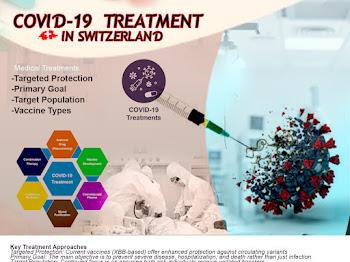
COVID-19 Treatment Options in Switzerland
Treatment depends on symptom severity and patient risk factors.
1. Home Treatment for Mild Cases
Most people recover at home.
Doctors typically recommend:
Rest
Adequate hydration
Fever-reducing medications
Pain relievers
Monitoring symptoms
Isolation when appropriate
Patients should seek further medical attention if symptoms worsen.
2. Antiviral Medications
For patients at higher risk of severe disease, Switzerland authorizes antiviral treatments that can reduce progression to severe COVID-19 when started early.
Paxlovid (Nirmatrelvir/Ritonavir)
Paxlovid is an oral antiviral medication approved in Switzerland for eligible high-risk patients who do not require hospitalization or oxygen therapy. It is usually administered within the first few days of symptom onset.
Potential benefits include:
Reduced risk of hospitalization
Reduced risk of severe illness
Faster viral suppression
Doctors carefully review medication interactions before prescribing Paxlovid because it can interact with many commonly used medicines.
Remdesivir (Veklury)
Remdesivir is another antiviral medication approved for certain COVID-19 patients, including some high-risk adults and children. It is administered intravenously under medical supervision.
3. Oxygen Therapy
Patients whose oxygen levels fall below normal may require:
Nasal oxygen
Face-mask oxygen
High-flow oxygen systems
Oxygen therapy helps maintain adequate oxygen delivery throughout the body.
4. Hospital Treatment
Patients with moderate or severe COVID-19 may be admitted to hospital.
Hospital care can include:
Continuous monitoring
Intravenous fluids
Antiviral medications
Blood-thinning medications
Oxygen support
Management of complications
Switzerland's hospitals are equipped to provide advanced respiratory care when necessary.
5. Intensive Care Unit (ICU) Treatment
Critical cases may require admission to an ICU.
Treatment may include:
Mechanical ventilation
Advanced oxygen support
Organ support therapies
Intensive monitoring
ICU teams typically include:
Intensive care physicians
Pulmonologists
Infectious disease specialists
Respiratory therapists
Specialized nurses
Long COVID Treatment in Switzerland
Some patients continue to experience symptoms for months after infection.
Common long COVID symptoms include:
Chronic fatigue
Brain fog
Headaches
Sleep problems
Muscle pain
Breathing difficulties
Exercise intolerance
The Swiss Federal Office of Public Health supports coordinated diagnosis and treatment pathways for patients suffering from post-COVID conditions and long COVID.
Treatment may involve:
Rehabilitation
Pulmonary therapy
Physical therapy
Occupational therapy
Mental health support
Specialist consultations
COVID-19 Rehabilitation
Patients recovering from severe illness often benefit from rehabilitation programs.
Rehabilitation may focus on:
Physical Recovery
Strength rebuilding
Walking exercises
Endurance training
Respiratory Rehabilitation
Breathing exercises
Lung function improvement
Cognitive Rehabilitation
Memory training
Concentration improvement
Psychological Support
Anxiety management
Depression treatment
Stress reduction
Cost of COVID-19 Treatment in Switzerland
Costs vary depending on illness severity.
Outpatient Care
GP consultation: CHF 100–250
COVID testing: Variable depending on circumstances
Prescription medications: Additional cost
Hospital Treatment
Hospitalization can cost several thousand Swiss francs depending on:
Length of stay
Treatments required
Complications
Intensive Care
ICU treatment can be significantly more expensive due to specialized equipment and continuous monitoring.
Does Swiss Health Insurance Cover COVID-19 Treatment?
Yes.
Switzerland's mandatory health insurance system generally covers medically necessary COVID-19 treatment, including physician visits, hospitalization, and approved therapies, subject to normal insurance rules, deductibles, and cost-sharing requirements.
Coverage may vary depending on:
Insurance plan
Deductible level
Supplemental insurance policies
Patients should verify details with their insurer.
Preventing Severe COVID-19
Preventive measures remain important.
Recommendations include:
Staying up to date with vaccination guidance
Hand hygiene
Avoiding exposure when ill
Seeking early medical advice if high risk
Managing chronic medical conditions
Vaccination continues to play an important role in reducing the risk of severe disease.
Frequently Asked Questions
Is COVID-19 still treated in Switzerland?
Yes. Swiss hospitals, clinics, and physicians continue to diagnose and treat COVID-19 patients.
Can I get antiviral medication in Switzerland?
Eligible high-risk patients may receive antiviral medications such as Paxlovid or Remdesivir under medical supervision.
Does Swiss insurance pay for COVID-19 treatment?
In most medically necessary situations, compulsory Swiss health insurance provides coverage according to policy rules.
What is long COVID?
Long COVID refers to symptoms that persist for weeks or months after the initial infection. Switzerland has developed treatment and rehabilitation pathways for affected patients.
When should I go to the hospital?
Seek urgent medical attention if you experience breathing difficulties, chest pain, confusion, or dangerously low oxygen levels.
Conclusion
COVID-19 is no longer considered the same public health emergency it once was, but it remains a serious illness for vulnerable individuals. Switzerland provides comprehensive care ranging from home management and antiviral medications to hospitalization, intensive care, and long COVID rehabilitation.
Early diagnosis and prompt treatment are particularly important for high-risk patients. Anyone experiencing severe symptoms should seek medical attention immediately.
Medical Disclaimer
This article is for educational and informational purposes only and does not constitute medical advice, diagnosis, or treatment. Healthcare recommendations may change as new scientific evidence becomes available. Always consult a qualified physician or healthcare professional in Switzerland regarding symptoms, treatment decisions, or medical emergencies.

Leave a comment
Your email address will not be published. Required fields are marked *