
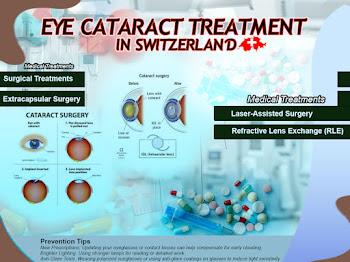
Cataract Surgery: What Patients Should Expect
Understanding what happens before, during, and after cataract surgery can help reduce anxiety and prepare patients for treatment.
Before Surgery
Before cataract surgery, an ophthalmologist performs a detailed eye examination.
The assessment may include:
- Measuring visual acuity
- Examining the lens
- Checking the retina
- Measuring eye pressure
- Measuring the shape and length of the eye
- Assessing the cornea
- Discussing the patient's medical history
- Reviewing current medications
- Discussing the most appropriate intraocular lens
Measurements of the eye are particularly important because they help the surgeon determine the appropriate power of the artificial lens.
Patients should tell their ophthalmologist about existing eye conditions, previous eye surgery, diabetes, medications, allergies, and other relevant medical conditions.
Choosing the Right Intraocular Lens
One of the most important decisions during cataract treatment is choosing the appropriate intraocular lens (IOL).
The best option depends on the patient's eye health, lifestyle, visual requirements, and expectations.
Monofocal IOLs
Monofocal lenses are designed to provide clear vision at one main distance.
For example, a patient may choose good distance vision and continue using reading glasses for close work.
Monofocal lenses are commonly used because they provide predictable visual correction.
Multifocal or Extended-Range Lenses
Some premium lenses are designed to provide useful vision at more than one distance.
They may reduce dependence on glasses for certain activities.
However, they are not suitable for everyone. Some patients may experience visual phenomena such as glare or halos, particularly at night.
The ophthalmologist should explain the advantages and limitations before a decision is made.
Toric Lenses
Toric lenses are designed to correct astigmatism.
Patients with significant astigmatism may benefit from discussing this option with their eye specialist.
Cataract Surgery Procedure
On the day of surgery, the patient normally receives local anesthesia to numb the eye.
The surgeon makes a very small opening in the eye and uses specialized instruments to remove the cloudy natural lens.
A new artificial intraocular lens is then placed inside the eye.
The procedure is usually relatively short, and many patients do not require an overnight hospital stay.
Although cataract surgery is considered highly successful, individual outcomes depend on the patient's general health and the condition of the eye.
What Does Cataract Surgery Feel Like?
Patients are often concerned about pain.
During surgery, local anesthesia is used to reduce or prevent pain.
A patient may notice:
- Pressure around the eye
- Bright lights
- Movement
- Mild sensations during the procedure
Some people experience anxiety even when the procedure itself is not painful.
Patients should tell the medical team if they are particularly nervous so appropriate support can be discussed before treatment.
Vision After Cataract Surgery
Vision does not necessarily become perfect immediately after surgery.
Some patients notice an improvement within the first few days, while visual clarity may continue to improve as the eye heals.
Temporary symptoms can include:
- Mild blurriness
- Light sensitivity
- Dryness
- Mild irritation
- Increased awareness of the operated eye
These symptoms should generally be monitored according to the surgeon's instructions.
Sudden or severe changes in vision should not be ignored.
Cataract Surgery Recovery in More Detail
Recovery varies between individuals.
First 24 Hours
Patients may experience mild irritation or blurred vision.
The eye may feel different after surgery, and vision may initially fluctuate.
First Week
The eye generally continues healing.
Patients should use prescribed eye drops exactly as instructed and attend any scheduled follow-up examination.
First Several Weeks
Vision often becomes more stable.
The ophthalmologist may continue monitoring eye pressure, inflammation, healing, and visual results.
Longer-Term Recovery
Once the eye has healed sufficiently, the patient can usually return to normal activities according to their doctor's instructions.
The exact recovery schedule should always be determined by the treating ophthalmologist.
Activities to Avoid After Cataract Surgery
Patients may temporarily need to modify certain activities while the eye heals.
Depending on the surgeon's instructions, these may include:
- Rubbing the eye
- Heavy lifting
- Strenuous exercise
- Swimming
- Getting contaminated water into the eye
- Activities with a risk of eye injury
Patients should follow the specific instructions provided by their surgical team because restrictions can differ according to the procedure and individual circumstances.
Warning Signs After Cataract Surgery
Although serious complications are uncommon, patients should know when to seek medical attention.
Contact an eye specialist promptly if there is:
- Severe eye pain
- Sudden loss of vision
- Significant increase in redness
- Increasing swelling
- Severe sensitivity to light
- New flashes of light
- A sudden increase in floaters
- A dark curtain or shadow across the field of vision
- Persistent or worsening symptoms
Sudden changes in vision can sometimes indicate an urgent eye problem and require immediate assessment.
Posterior Capsule Opacification
Some patients develop clouding behind the artificial lens months or years after cataract surgery.
This condition is called posterior capsule opacification (PCO).
It is sometimes described as a "secondary cataract," although it is not a return of the original cataract.
PCO can cause:
- Blurred vision
- Glare
- Reduced visual clarity
It can often be treated using a laser procedure called YAG laser capsulotomy.
The ophthalmologist can determine whether treatment is necessary.
Cataracts and Diabetes
People with diabetes may have an increased risk of developing cataracts.
High blood glucose levels can affect the lens and other structures of the eye.
Diabetes can also increase the risk of other eye conditions, including diabetic retinopathy.
For this reason, people with diabetes should maintain appropriate medical care and attend recommended eye examinations.
Good diabetes management can help protect overall eye health.
Cataracts and Other Eye Conditions
Not every vision problem in an older adult is caused by cataracts.
Similar symptoms can occur with conditions such as:
- Glaucoma
- Age-related macular degeneration
- Diabetic retinopathy
- Retinal disorders
- Corneal disease
A comprehensive eye examination is therefore important before deciding that cataract surgery is the appropriate treatment.
A cataract can also exist alongside another eye condition. In such cases, removing the cataract may improve vision, but it may not completely restore normal eyesight if another condition is also affecting the eye.
Cataracts and Driving in Switzerland
Cataracts can affect driving ability, particularly at night.
Symptoms such as:
- Headlight glare
- Reduced contrast
- Blurred distance vision
- Difficulty seeing in poor lighting
may make driving more difficult.
People who notice significant changes in vision should discuss driving safety with an eye specialist.
Patients should follow applicable Swiss requirements concerning visual fitness for driving.
Cataracts and Reading
Early cataracts may make reading more difficult because letters can appear blurred or less sharply defined.
Some people compensate by:
- Increasing lighting
- Enlarging text
- Changing reading distance
- Updating their glasses
However, if these measures no longer provide adequate vision, an ophthalmological assessment may be appropriate.
Cataract Surgery for Older Adults
Cataracts are particularly common with increasing age.
Older adults may also have other medical conditions or take several medications.
Before surgery, the medical team may therefore review:
- Heart conditions
- Diabetes
- Blood pressure
- Medications
- Previous surgeries
- Other eye conditions
Age alone does not necessarily determine whether cataract surgery is appropriate.
The decision is generally based on the person's overall health, visual impairment, lifestyle, and expected benefit from treatment.
Cataract Surgery for Younger Patients
Although age-related cataracts are the most common, younger people can also develop cataracts.
Possible factors include:
- Eye injuries
- Certain medications
- Diabetes
- Previous eye surgery
- Certain medical conditions
- Genetic factors
When cataracts occur at a younger age, the ophthalmologist may investigate possible underlying causes.
Cataracts After an Eye Injury
Trauma to the eye can sometimes cause a cataract.
Traumatic cataracts may develop immediately or months or years after an injury.
People who have suffered a significant eye injury should receive appropriate ophthalmological assessment, particularly if they develop:
- Blurred vision
- Eye pain
- Light sensitivity
- New floaters
- Flashes
- Changes in pupil appearance
How to Prepare for Cataract Surgery
Patients can make the process easier by preparing questions before their appointment.
Useful questions include:
- How advanced is my cataract?
- Is surgery necessary now?
- What type of lens is recommended?
- Will I still need glasses?
- What are the risks of surgery?
- What will my estimated total cost be?
- Which costs are covered by my insurance?
- Will I need to pay anything for a premium lens?
- How long will recovery take?
- When can I drive again?
- When can I return to work?
- What symptoms require urgent medical attention?
Having these questions ready can help patients understand their treatment choices.
Getting a Second Opinion
Patients who are uncertain about cataract surgery may consider obtaining a second professional opinion.
A second opinion can be particularly useful when:
- The diagnosis is uncertain
- There are other eye diseases
- A premium lens is being recommended
- Surgery has been proposed but the patient is unsure
- The patient has unusual visual symptoms
The purpose of a second opinion is to help the patient understand the diagnosis and available treatment options.
Cataract Surgery and Insurance: Questions to Ask
Before scheduling surgery, patients should clarify the financial arrangements.
Ask the clinic and insurer:
- Is the surgery medically necessary?
- Is the standard procedure covered?
- Which intraocular lens is covered?
- Is a premium lens considered an additional expense?
- What deductible applies?
- What coinsurance applies?
- Are diagnostic examinations covered?
- Are follow-up appointments covered?
- Are there additional hospital charges?
- What happens if a complication requires further treatment?
Written confirmation of important coverage information can help prevent unexpected bills.
Cataract Treatment for Expats and Foreign Residents
Foreign residents living in Switzerland should understand their insurance status before arranging elective surgery.
Depending on their circumstances, they may have:
- Swiss mandatory health insurance
- Supplementary insurance
- Employer-sponsored international insurance
- Another qualifying insurance arrangement
The treatment process may involve an initial consultation, diagnosis, insurance verification, surgical planning, surgery, and follow-up care.
Patients who are not fluent in the local language can ask whether the clinic provides services in English, French, German, Italian, or another language.
Cataract Surgery for Medical Tourists
Some international patients consider Switzerland for specialist eye treatment.
However, elective medical tourism requires careful financial planning.
Patients should consider:
- Surgery costs
- Consultation fees
- Travel costs
- Accommodation
- Follow-up appointments
- Possible complications
- Insurance exclusions
- Whether follow-up care is available after returning home
Travel insurance should not automatically be assumed to cover planned cataract surgery.
Patients should obtain confirmation of coverage before traveling for elective treatment.
Cataract Treatment: Key Points for Patients
Cataracts are common, particularly with increasing age, but they are highly treatable.
The most important points are:
- Cataracts cause clouding of the natural eye lens.
- Symptoms usually develop gradually.
- Blurred vision and glare are common symptoms.
- Cataracts can interfere with reading and driving.
- An ophthalmologist can diagnose cataracts through an eye examination.
- Surgery is usually recommended when vision significantly affects daily life.
- Cataract surgery involves replacing the cloudy natural lens with an artificial lens.
- Several types of IOLs are available.
- Standard medically necessary treatment may be covered by Swiss mandatory health insurance under applicable rules.
- Premium lens options may involve additional costs.
- Recovery is generally relatively quick, but individual recovery varies.
- Serious complications are uncommon but require prompt treatment when they occur.
- Regular eye examinations remain important after surgery.
Final Thoughts
Cataracts should not be ignored when they begin interfering with everyday activities.
A person may initially compensate for cataract-related vision changes by changing glasses, increasing lighting, or avoiding difficult activities. However, progressively reduced vision can eventually affect independence, work, reading, mobility, and driving.
An eye examination can determine whether a cataract is responsible for the symptoms and whether treatment is necessary.
For people living in Switzerland, cataract treatment is available through ophthalmologists, eye clinics, hospitals, and specialized surgical centers. The healthcare system also provides insurance mechanisms that may cover medically necessary treatment under applicable conditions.
The most appropriate treatment depends on the individual patient's eye health, vision requirements, medical history, and personal circumstances.
Anyone experiencing persistent blurred vision, increasing glare, difficulty seeing at night, or other changes in eyesight should arrange an assessment with a qualified eye-care professional.
Important: Cataract surgery is a medical procedure. Treatment decisions, lens selection, expected outcomes, and insurance coverage should be discussed directly with the patient's ophthalmologist and health insurer.

Leave a comment
Your email address will not be published. Required fields are marked *